After-Sales Support Coverage for Products Purchased From Manufacturer Stores, Outlets, and Parallel Import Sellers
Purchasing consumer electronics – whether a flagship smartphone, a high-performance laptop, or a professional camera – often involves weighing upfront purchase discounts against long-term after-sales protection. While buying directly from a manufacturer’s flagship store guarantees official service center repairs, enticing 20% to 30% price discounts from parallel import (gray market) sellers or refurbished factory outlets frequently tempt buyers.
However, many consumers only discover the practical consequences of these different retail channels when a hardware defect manifests and an authorized service center denies coverage. Navigating after-sales support eligibility requires a clear understanding of automated serial number registration, territorial warranty limits, and the realities of seller-backed repair guarantees.
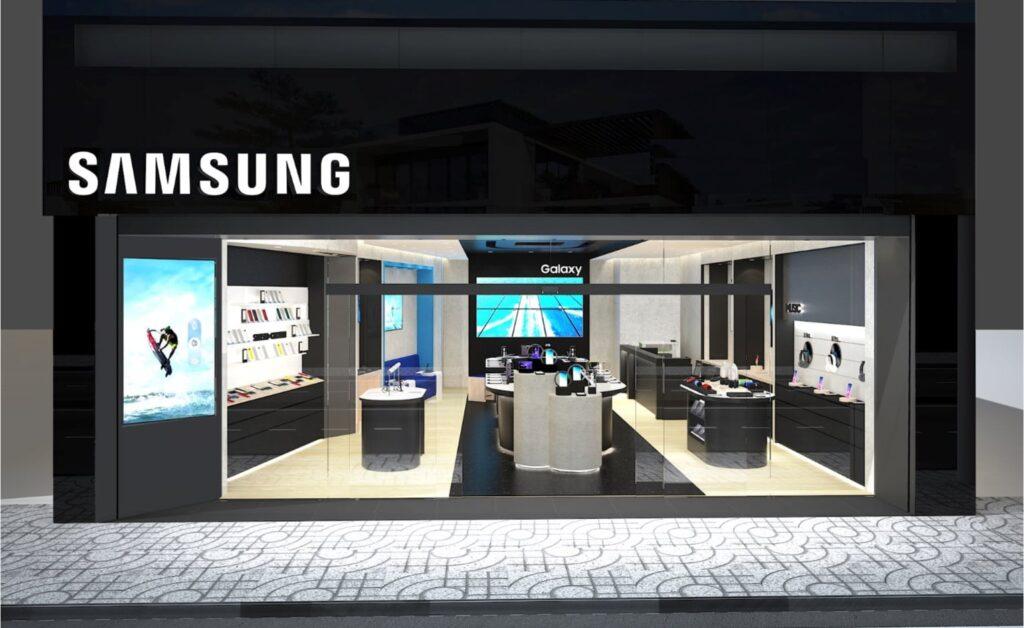
Warranty structures across primary retail channels
Not all retail channels offer equivalent post-purchase protection. The entity responsible for servicing your device varies fundamentally based on where the transaction takes place.
To evaluate your risk exposure before making a purchase, review this comparative breakdown of warranty structures across primary retail channels:
| Purchase channel | Primary warranty issuer | Authorized service center access | Typical coverage & exclusions |
| Manufacturer Flagship Store | Original Equipment Manufacturer (OEM) | Full Access. Direct walk-in service at any global/regional authorized center. | Full 1-to-2-year hardware coverage. Excludes accidental damage and normal wear. |
| Official Refurbished Outlet | Original Equipment Manufacturer (OEM) | Full Access. Eligible for official repair facilities under registered serial numbers. | Standard hardware coverage (often 90 days to 1 year). May exclude minor cosmetic flaws. |
| Parallel Import (Gray Market) | Third-Party Seller / Independent Retailer | Restricted / Denied. Local authorized centers usually reject foreign regional models. | Seller-backed shop warranty. Excludes official parts; subject to seller business stability. |
Official service center eligibility and serial number verification
The primary boundary separating official coverage from gray market risk is how the manufacturer’s backend database recognizes your device’s unique serial number.
Manufacturer flagship stores and registered serial numbers
When you purchase a device directly from an official flagship store or authorized retail partner, the transaction triggers an automated registration process. The device’s International Mobile Equipment Identity (IMEI) or serial number is logged in the manufacturer’s central database alongside the sale date and country code.
When hardware fails, walking into an authorized service center requires minimal friction. Technicians simply scan the device’s serial number to verify activation dates, warranty duration, and regional coverage. You rarely need to present a physical paper receipt because the hardware itself serves as proof of purchase.
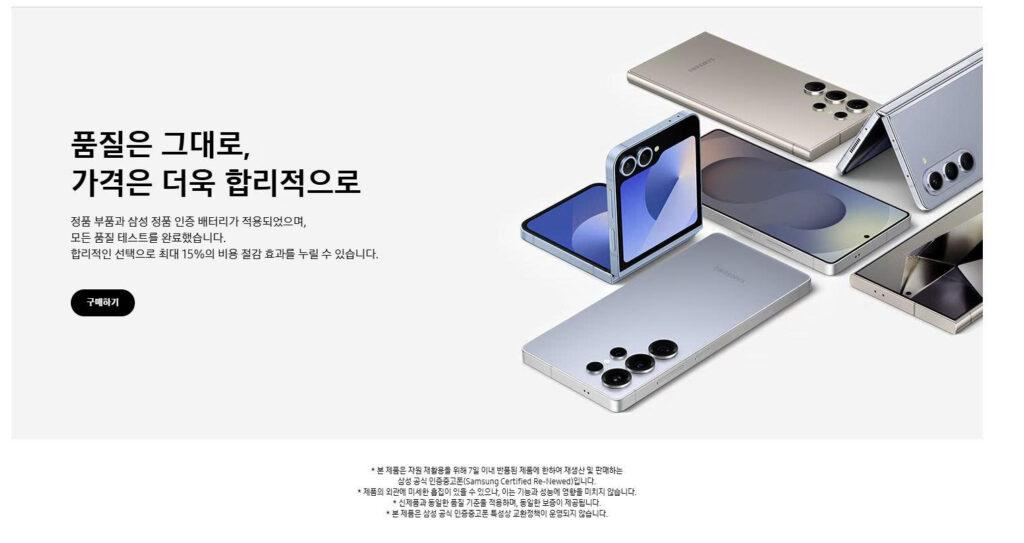
Official outlet stores and open-box conditions
Manufacturer outlets – which sell factory-refurbished units, excess inventory, or open-box returns—occupy a unique middle ground. Products bought from official outlets are re-tested by factory technicians, repacked, and assigned updated serial number profiles in the manufacturer’s system.
In most cases, outlet purchases retain full eligibility for repairs at authorized service centers. However, consumers must review the documentation carefully: warranty terms may be abbreviated (e.g., a 90-day or 6-month limit instead of a full year), and pre-existing cosmetic scratches documented during the refurbishment process are explicitly excluded from warranty claims.
Gray market realities: Parallel imports and seller-backed warranties
Parallel import sellers acquire genuine products from overseas markets where wholesale prices or currency exchange rates are lower, then import them to sell domestically outside official distribution networks. While the hardware itself is genuine, the after-sales support ecosystem operates under severe constraints.
The territorial barrier of international warranties
A common misconception among buyers is that major tech brands offer universal, worldwide warranties on all products. In reality, most manufacturer warranties are strictly territorial.
If a parallel import seller imports a smartphone manufactured for the North American market and sells it in Europe or Asia, local authorized service centers will almost certainly deny warranty repairs. Service centers reject foreign models due to regional component variances (such as differing cellular band modems or regional mainboard designs), local import tax compliance, and regional distribution agreements. Unless a brand explicitly offers an international warranty program, regional models are marooned outside their home territory.
Seller-backed repair policies vs. official repairs
To compensate for the lack of official service center access, parallel import sellers offer “store warranties” or “seller-backed coverage.” Under this arrangement, if your device breaks, you must ship it back to the seller, who will repair it using an in-house technician or a third-party repair shop.
While this provides some peace of mind, seller repairs carry inherent trade-offs:
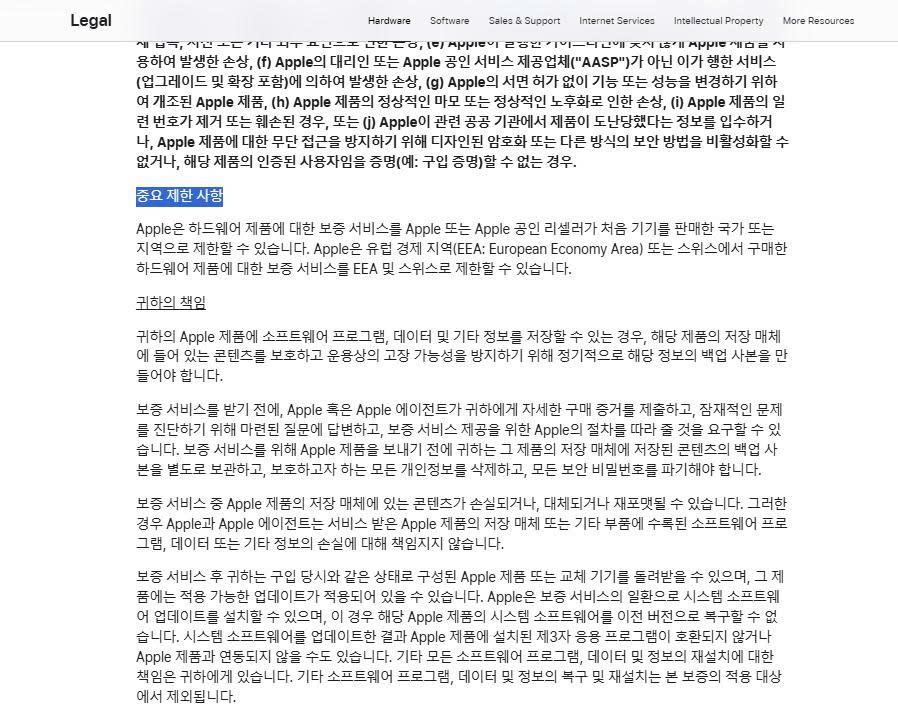
- Third-party shops frequently utilize non-genuine, aftermarket replacement parts (such as lower-grade LCD screens or uncalibrated batteries).
- Opening the device outside an authorized center destroys factory water-resistance seals and invalidates future trade-in value with the manufacturer.
- If the independent seller goes out of business, your remaining warranty coverage vanishes overnight.
Prerequisite audits and dispute escalation for denied claims
To protect your financial investment when purchasing tech hardware across non-traditional channels, implement a proactive inspection routine before and immediately after unboxing.
Serial number verification on official support portals
Never assume a seller’s listing details are accurate. Immediately upon receiving a new device, locate the serial number on the physical box or within the system settings (Settings > About Device).
Navigate to the manufacturer’s official support coverage portal (such as Apple’s Check Coverage or Samsung’s Warranty Lookup) and input the serial number. This audit instantly reveals whether the device is recognized as new, whether it carries an active global warranty, or whether it was previously registered in a foreign country months before you bought it.
Dispute resolution through payment providers
If a parallel import seller advertised a “1-Year Manufacturer Warranty” on their listing but your serial number audit reveals the device is an unserviced foreign model, you have grounds for a misrepresentation claim.
If the seller refuses to accept a return or denies a valid warranty claim during the advertised period, escalate the issue through your payment channel. Filing a dispute or chargeback with your credit card issuer or PayPal Buyer Protection based on “item not as described” frequently forces non-compliant gray market retailers to issue a full refund.
Frequently asked questions about post-purchase support
Can I purchase extended coverage (like AppleCare+ or Samsung Care+) for a parallel import device?
Generally, no. Purchasing extended manufacturer coverage usually requires the device to match the regional storefront where the plan is sold, and often requires a proof-of-purchase receipt from a local authorized retailer within 30 to 60 days of original activation.
What happens to my seller-backed warranty if the parallel import retailer goes out of business?
If the independent seller closes their business, your seller-backed warranty becomes an “orphan warranty” and is effectively void. Official authorized service centers will still refuse to cover the device under their own warranty terms.
Are battery degradation and screen burn-in covered under outlet store warranties?
Consumable degradation (such as natural battery capacity loss over time) is universally excluded from standard manufacturer and outlet warranties unless the battery drops below a specific capacity threshold (typically 80%) within an active warranty period due to a manufacturing defect.